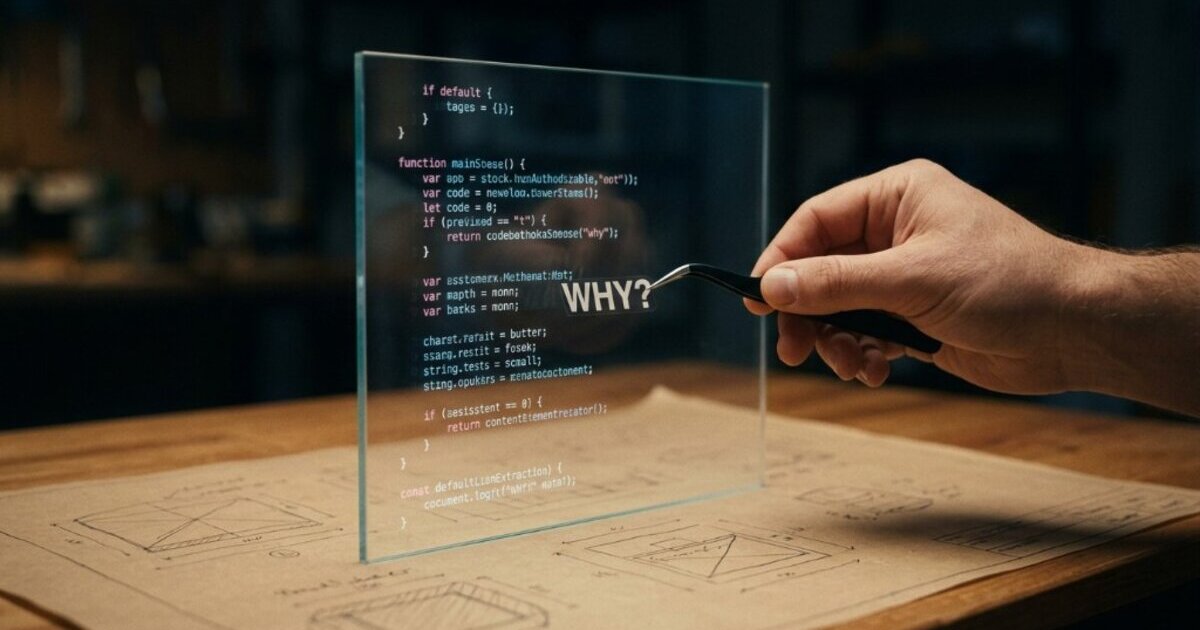
A hand with precision tweezers lifting a WHY? tag off a glass pane of code on a drafting table

What Are You Coding?

A demo is a movie. Code is literature. If you cannot say what you are building, your teammates cannot either.
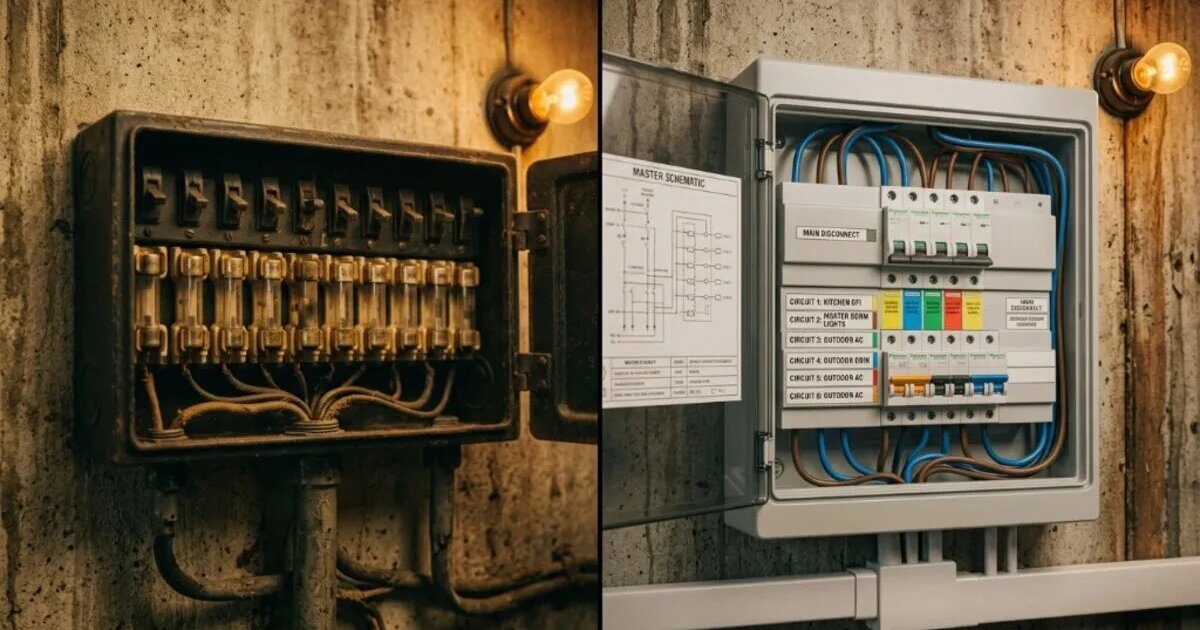
Split view of two panels on a concrete wall under a bare bulb: unlabeled glass fuses and tangled leads on the left, named breakers and a schematic on the right

Ban From on your Rust Error Variants

The ? early return that made the function look clean and nice is the line you cannot find when the alert hits your after eight hours of working on something else.
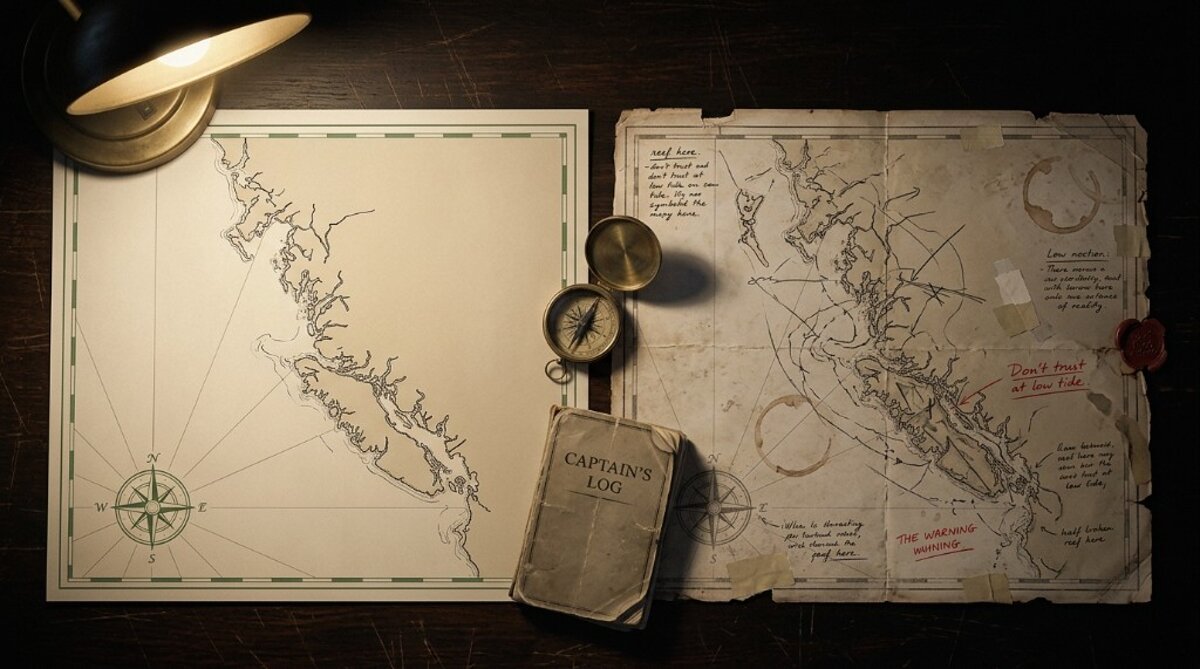
Two maps of the same coastline on a cartographer's desk under lamplight, one clean and green-bordered, one weathered with pencil corrections and margin warnings, with a captain's log and compass between them, a metaphor for symbolic consistency versus evidence that survived contact with reality

The Green Build and the Hermeneutic Gap

A green CI proves consistency. LLMs are hermeneutic engines: they cannot tell whether the system is true to the world you care about.
Solana logo and wordmark on a light background

Thinking in Solana

Accounts, Programs, ownership, Sealevel; the Solana building blocks that unlock your thinking about real-world use cases and applicability.
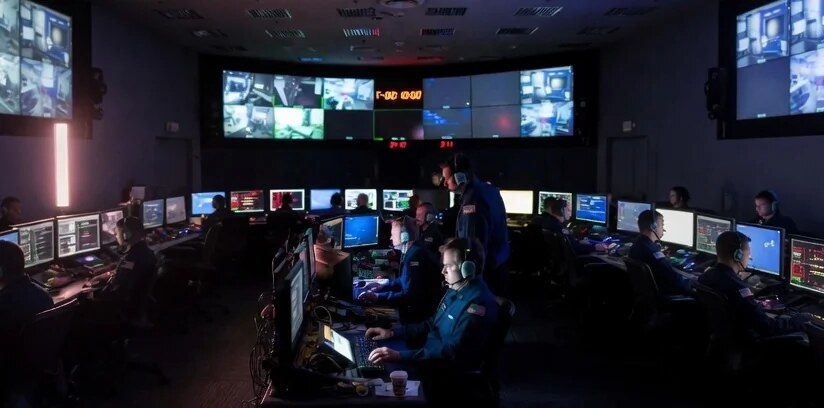
Mission control room with operators at consoles facing a curved wall of monitors and telemetry — the human go/no-go moment in a high-stakes system

The Half of CI We Forgot to Automate

We automated the cheap half of trust: contracts and types. The expensive half, evidence on how the system actually behaves, we still answer with a vibe.

A path forks in the foreground — one branch leads into a dark forest of broken, glowing technology and stormy decay; the other winds toward a bright, sustainable city under a golden sunset. The choice between an unstable path and one that leads forward.

Stable Problems

The moment everyone nods at the problem is the moment to slow down.
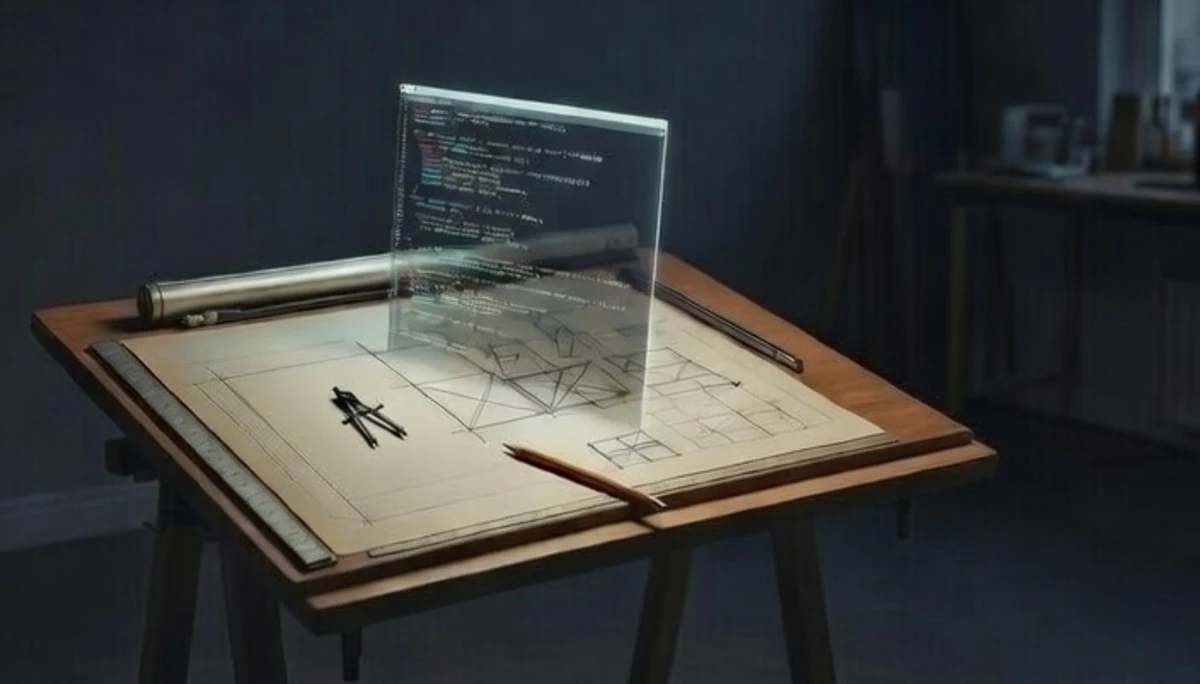
A drafting table merging into a terminal screen — compass, ruler, and wireframe blueprints dissolving into lines of code — the boundary between design and programming erased

Design Is the New Programming

The bottleneck moved. Execution got cheap and most builders aren’t optimizing for it. Yet.

Silhouetted figure in a doorway holding keys towards a brightly lit factory floor — control of the whole production at stake

Process Before Solution

AI is getting better at solving it. You still don’t know how. This will keep happening.
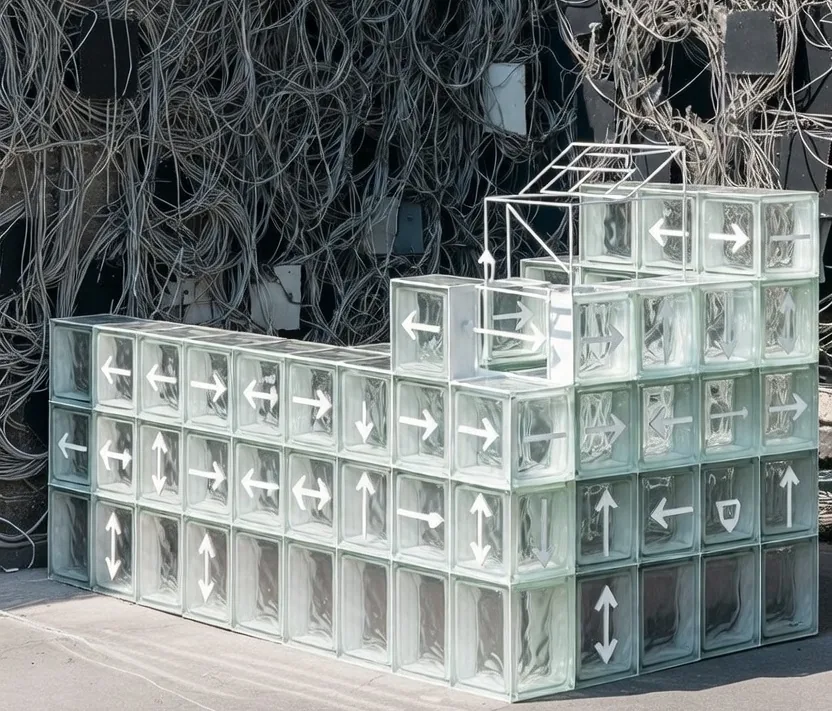
A clean geometric structure made of transparent glass blocks with simple arrows showing clear rules, contrasted against a tangled dark mass of wires and patches behind it — a visual metaphor for explainable design versus accumulated complexity

Explain Your Rules

Every abstraction introduces rules. If you can explain them in a sentence, your design is mature. If you can’t, something went wrong — and it’s one of three things.
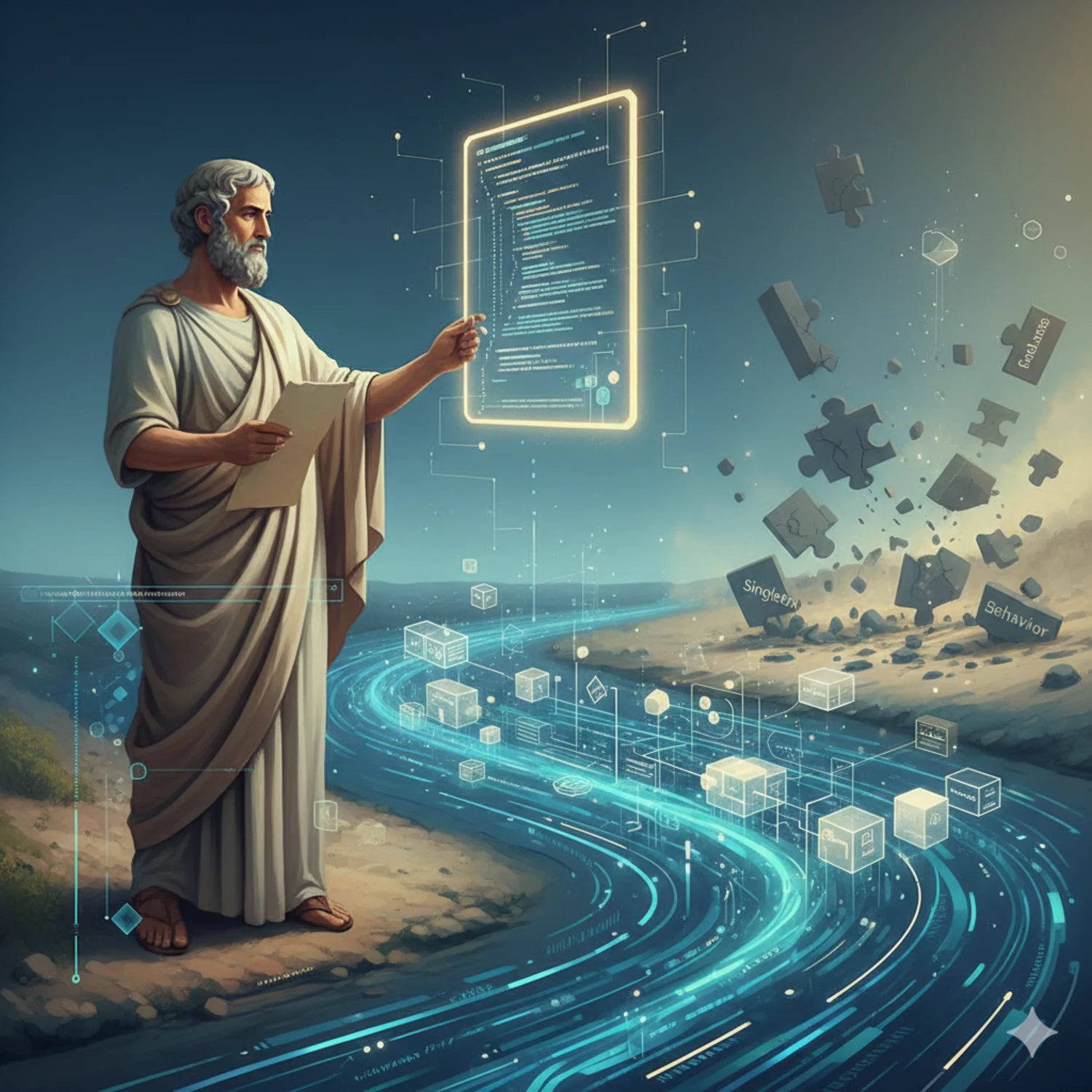
Aristotle as a software architect, contemplating a digital interface while fragmented design patterns labeled "Singleton" and "Bad Code" scatter around, with a flowing river of data representing well-modeled reality

Model the Reality, Not the Patterns

Why focusing first on properly modeling the domain is better than forcing design patterns into your code.